Granitestone Pan Review: Nonstick Ceramic Cookware Analysis
Are you tired of pans that stick food everywhere? The Granitestone Pan promises a better cooking experience. It claims easy cleaning and a tough nonstick surface.
This cookware uses a ceramic coated aluminum design. It comes in three sizes: 8″, 10″, and 12″. You can stack these pans to save space in your kitchen.
But does it really perform well over time? Many users love the quick cleanup with just soap and a sponge. Others notice the nonstick coating wears down after a few years.
In this review, we test every claim. We check the handles, the coating, and the overall build quality. You will learn if this pan fits your daily cooking needs.
Let’s find out if the Granitestone Pan earns a spot in your kitchen.
In a Nutshell
Here’s the quick breakdown of what you need to know about the Granitestone Pan before you decide.
-
Multiple sizes available: You can choose from 8″, 10″, and 12″ frying pans to match your cooking needs.
-
Oven and dishwasher safe: This pan handles both oven heat and dishwasher cycles without trouble.
-
PFOA and PFOS free coating: The nonstick surface skips these chemicals, giving you a safer cooking option.
-
Stackable design saves space: These pans stack neatly, so your cabinet stays organized.
-
Handles heat up more than expected: Despite being called stay cool, the handles get warm during cooking. Lids also turn hot fast.
-
Coating wears down over time: The nonstick surface works great at first. After 2-3 years, food starts sticking more often.
-
Texture feels rough: The coating has a grainy feel instead of a smooth finish.
This pan isn’t built to last forever. But it delivers solid short term performance for everyday cooking.
Build Quality and Materials
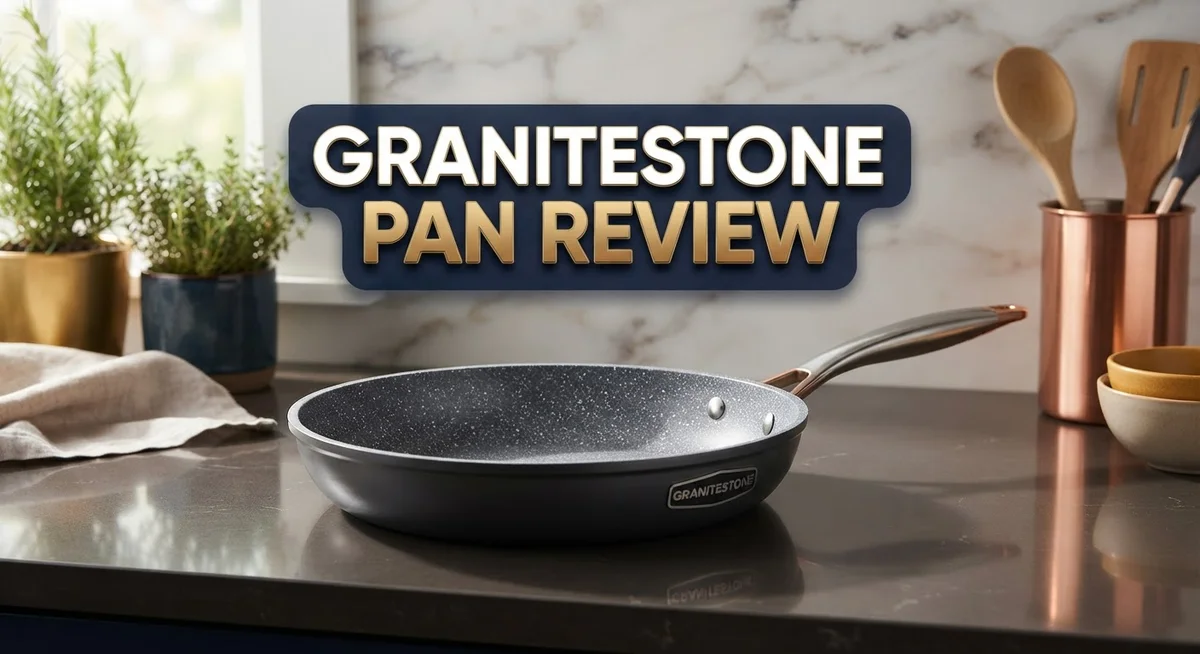
The Granitestone Pan uses ceramic coated aluminum as its core construction. This combination creates a lightweight pan that heats quickly and distributes warmth evenly across the cooking surface.
The ceramic coating sits on top of the aluminum base. This nonstick layer starts strong and performs well during the first year of use. Food releases easily, and cleanup becomes simple with just a soft sponge and mild soap.
However, the coating shows wear over time. After 2 to 3 years of regular cooking, the nonstick surface begins to degrade. Users report that food starts to stick more frequently, which changes the cooking experience significantly.
The texture of the coating feels rough and grainy to the touch. This grainy surface differs from smoother nonstick pans on the market. Some cooks find this texture unusual when running their hand across the pan before use.
The handles are designed to stay cool during cooking. In reality, they warm up noticeably when the pan reaches cooking temperature. This means you’ll still want to use an oven mitt or grab a towel when handling the pan.
The lids that come with Granitestone pans get excessively hot during cooking. Steam builds under the lid, and the glass or metal top retains significant heat. Removing the lid requires caution and protective gear.
The aluminum base itself is durable and won’t warp easily. The ceramic coating, however, represents the weakest point in longevity. This isn’t a “buy it for life” pan that improves with age or lasts decades.
The stackable design works well for storage. Pans nest inside each other without scratching because of the smooth coating. This feature helps keep your kitchen organized, though the coating quality remains the limiting factor for long term use.
Overall, the build quality reflects a budget conscious approach. You get decent materials that perform adequately at first. The tradeoff is that durability doesn’t match premium cookware options available today.

- MULTILAYER NONSTICK and EVEN SURFACE HEATING Makes food release, cleaning, flipping and tossing easy and allows for...
- COOL TOUCH HANDLES The handles of our GRANITESTONE cookware remain cool to the touch when used over the stovetop...
Last update on 2026-10-31 / Affiliate links / Images from Amazon Product Advertising API
Nonstick Performance and Durability
The nonstick performance of the Granitestone Pan starts strong right out of the box. Food releases easily during your first few cooking sessions, and cleanup feels effortless. You can wipe the surface clean with just a soft sponge and mild soap.
However, this is where the story changes. The ceramic coating begins to degrade within 2 to 3 years of regular use. Once this happens, food starts sticking more frequently. Eggs become harder to flip. Proteins don’t release as smoothly. You’ll notice the difference during everyday cooking.
The rough, grainy texture of the coating contributes to this durability issue. This texture feels different from smoother nonstick surfaces. Over time, this graininess appears to accelerate the wear process. The coating wasn’t designed to last as long as premium nonstick options.
The aluminum base itself performs well. It resists warping and maintains its shape through years of heating and cooling. This part of the pan holds up reliably. The problem lies specifically with the ceramic layer on top.
One important note: the lids that come with these pans get excessively hot during cooking. This limits their usefulness and requires careful handling. The handles also warm up more than advertised, so you’ll still need oven mitts or towels when cooking.
For durability expectations, understand this clearly. The Granitestone Pan is not a “buy it for life” product. It works well as a temporary solution or starter cookware. If you need pans that maintain nonstick performance for 5 plus years, this may disappoint you.
The stackable design does provide real storage benefits. You can fit multiple pans into a small cabinet space. This feature remains useful throughout the pan’s lifespan.
If you cook occasionally and don’t mind replacing cookware every few years, the Granitestone Pan performs acceptably. Heavy daily cooks should look elsewhere. The nonstick coating simply cannot handle constant use without degrading.
Heat Distribution and Cooking Results
When you first use the Granitestone Pan, heat moves across the surface fairly evenly. The aluminum base conducts warmth from your stovetop to the cooking surface without major hot spots. This means your food cooks more uniformly than you might expect from a budget option.
The ceramic coating plays a key role here. It sits on top of the aluminum and helps distribute heat smoothly. During the first few months, eggs slide around easily, and pancakes flip without sticking. You’ll notice the nonstick surface works well for everyday cooking tasks.
However, heat distribution remains consistent only if you use proper technique. Medium to medium-high heat works best. Cranking the burner to maximum can create uneven cooking patterns, especially around the pan’s edges.
The real challenge appears over time. As the ceramic coating wears down, heat distribution becomes less predictable. Food starts catching in certain spots. This happens because the rough, grainy texture of the coating begins breaking down after regular use. Small areas lose their nonstick properties faster than others.
One important detail: the pan’s aluminum base itself handles heat beautifully. It won’t warp or bend, even with repeated heating and cooling. The problem isn’t the foundation. It’s the ceramic layer on top that struggles with long-term performance.
For cooking results, expect solid performance during year one. Proteins brown nicely. Vegetables sauté without excessive sticking. Sauces reduce evenly across the surface. These results come from the combination of aluminum’s heat conductivity and the initial quality of the ceramic coating.
After two to three years, cooking results decline noticeably. Food sticks more frequently. You’ll need extra oil or butter to achieve the same nonstick results you enjoyed initially. The heat distribution becomes less forgiving of cooking mistakes.
If you replace your cookware every few years anyway, the Granitestone Pan delivers acceptable cooking performance during its useful life. The heat distribution works fine while the coating stays intact. Just understand that this isn’t a permanent kitchen solution.
Top 3 Alternatives
T-fal Ultimate Hard Anodized

- Heavy Gauge Construction: Built to stand the test of time. Titanium Non-stick coating, 3x longer lasting vs basic T-fal...
- Our Pots and Pans Set Non Stick Includes: 1-qt 2-qt, and 3-qt covered saucepans, 8-in/20.3-cm and 10-in/25.4-cm frypan...

Last update on 2026-10-31 / Affiliate links / Images from Amazon Product Advertising API
T-fal Ultimate Hard Anodized cookware offers excellent heat distribution across the cooking surface. The hard anodized aluminum construction makes these pans extremely durable and resistant to scratches. You get a reliable nonstick coating that performs well for everyday cooking tasks.
The pans heat up quickly and maintain consistent temperatures. The handles stay cool during cooking, which is a nice safety feature. This line works on all stovetops, including induction. Many home cooks appreciate how easy cleanup is with this cookware.
Calphalon Contemporary Nonstick

- Heavy gauge aluminum construction ensures even heating and is hard anodized for durability; It also makes it dishwasher...
- Interior includes 3 layers of nonstick coating 2 layers provide durability and the third layer offers easy release...
Last update on 2026-10-31 / Affiliate links / Images from Amazon Product Advertising API
Calphalon Contemporary Nonstick pans provide straightforward, dependable performance in your kitchen. The nonstick surface allows you to cook with less oil or butter. These pans are lightweight and easy to handle, making them suitable for various cooking styles.
The cookware distributes heat evenly to prevent hot spots. You can use metal utensils on these pans without worrying about damage. The collection includes various sizes to meet different cooking needs. Dishwasher safe options make cleanup simple and fast.
GreenPan Valencia Pro

- SET INCLUDES: 8” frypan, 10” frypan
- CUTTING-EDGE CERAMIC NONSTICK: Infused with diamonds, GreenPan's metal utensil safe ceramic nonstick offers remarkable...
Last update on 2026-10-31 / Affiliate links / Images from Amazon Product Advertising API
GreenPan Valencia Pro delivers premium nonstick performance with eco-friendly materials. The cookware features a hybrid stainless steel and aluminum construction for superior durability. This line uses a plant-based nonstick coating, which appeals to health-conscious cooks.
The pans handle high heat well and resist warping over time. You get excellent food release without using excessive cooking fats. The cookware works on all cooktops, including induction surfaces. These pans combine modern design with functional features that make cooking enjoyable. Many users report that the nonstick surface remains effective after extended use.
Ease of Cleaning and Maintenance
Cleaning a Granitestone Pan takes just a few minutes. Use a soft sponge with mild soap and warm water. The nonstick ceramic coating releases food particles easily during the first year of use.
You can place these pans in the dishwasher without worry. The ceramic coating handles machine washing well. Hand washing works equally fine if you prefer that method. Simply wipe the surface gently and rinse thoroughly.
Avoid abrasive scrubbers and steel wool. These materials scratch the ceramic layer and speed up coating breakdown. Stick with soft cloths or sponges instead. This simple step extends the pan’s cleaning life significantly.
The ceramic coating resists staining better than traditional nonstick surfaces. Stubborn food spots come off with minimal effort. You won’t need harsh chemicals or prolonged soaking for most situations.
One cleaning consideration matters here. The rough, grainy texture of the coating can trap small food particles. Pay attention to the pan’s edges and corners during washing. A quick pass with your sponge in these areas prevents buildup.
Maintenance between uses stays straightforward. Allow the pan to cool completely before washing. This protects the coating and prevents warping of the aluminum base. Store the pans in your cabinet using their stackable design to save space.
Over time, maintenance becomes more important. After two to three years, the coating degrades and food sticks more easily. This means cleaning takes longer as you age the cookware. You may need to use slightly more soap or soak stubborn spots occasionally.
The lids require separate attention. These get excessively hot during cooking, so handle them carefully when washing. Let them cool before placing them in the dishwasher or sink.
For long term care, understand this reality. These pans work best if you replace them every few years. The maintenance demands increase as the coating wears. If you accept this timeline, cleaning and upkeep stay simple and manageable throughout the pan’s useful life.
Design, Storage, and Handle Comfort
The handle design on the Granitestone Pan feels comfortable during initial use. The handles curve naturally in your palm, making flipping and maneuvering feel intuitive. However, the “stay cool” promise doesn’t hold up in real cooking situations. After just a few minutes on the stovetop, handles warm up noticeably and require caution.
This handle heating issue matters most when you’re cooking multiple items or meal prepping. You’ll find yourself reaching for oven mitts more often than the marketing suggests. The handle material itself resists heat transfer reasonably well compared to bare metal, but it’s not truly cool-to-touch during active cooking.
Storage becomes a genuine advantage with these pans. The stackable design saves significant cabinet space, which appeals to people with smaller kitchens or limited storage. The pans nest together cleanly without wobbling or shifting. This feature works particularly well if you own multiple sizes in the same set.
The ceramic coating texture creates an interesting storage consideration. The rough, grainy surface means pans can scratch each other if stacked carelessly. Using pan protectors or cloth separators between pieces prevents this damage. This extra step adds minor inconvenience to the storage process.
Weight distribution across the pan feels balanced, making it easy to grab and lift even when full. The handles attach securely to the aluminum body without any flex or movement. This solid construction gives confidence during daily use, though it doesn’t guarantee long term durability.
For cabinet organization, these pans stack more compactly than many traditional cookware options. If kitchen space is tight, this becomes a real selling point. The stackable feature means you can store a complete set in the space that might hold only two or three conventional pans.
The overall design philosophy emphasizes practicality over premium features. You get functional handles, organized storage, and straightforward access. The tradeoff is that nothing feels particularly luxurious or built for decades of use. For everyday cooking in modest kitchens, the design choices make practical sense.
Pros and Cons
Pros
- The nonstick ceramic coating works excellently right out of the box, making cooking and flipping foods simple
- Cleanup requires only soft sponges and mild soap, no scrubbing needed
- Stackable design saves cabinet space compared to traditional cookware
- Dishwasher safe and oven safe up to standard temperatures
- PFOA and PFOS free, so no harmful chemicals leach into your food
Cons
- The nonstick coating loses effectiveness after 2 to 3 years, causing food to stick more frequently
- Handles heat up significantly during cooking despite marketing claims, making them uncomfortable to grip
- Lids become extremely hot and can cause burns if you touch them without protection
- The grainy ceramic texture feels rough and rough surfaces wear faster than smooth nonstick finishes
Who Should Buy It
Granitestone Pans work best for home cooks who want simple, no-fuss cooking without spending hours on maintenance. If you hate scrubbing stuck-on food, this pan’s easy cleanup appeals to you. Soft sponges and mild soap get the job done quickly.
You should buy this pan if storage space matters in your kitchen. The stackable design saves cabinet room compared to traditional cookware. These pans fit neatly together, perfect for apartments or smaller kitchens.
Home cooks who meal prep regularly find value here. The nonstick ceramic coating works great when the pan is new, making flipping eggs and pancakes simple. You’ll appreciate not wrestling with food sticking to the surface during those first couple of years.
Families cooking everyday meals benefit from this option. The pans heat evenly for scrambled eggs, grilled cheese, and stir fries. Oven safe design means you can start cooking on the stovetop and finish under the broiler.
Skip this pan if you want cookware that lasts decades. The nonstick coating degrades within 2 to 3 years as you use it regularly. Food begins sticking more often, and performance drops noticeably. This isn’t a “buy once, use forever” product.
Avoid Granitestone Pans if handle heat bothers you. The handles get uncomfortably hot during cooking despite what marketing claims suggest. You’ll need oven mitts or kitchen towels when grabbing the pan, even for short cooking sessions.
Don’t choose this option if you need lids that stay cool. The lids become extremely hot and can burn your hands. You must use protection when removing or adjusting them.
Professional chefs or serious home cooks seeking premium cookware should look elsewhere. This brand prioritizes basic functionality over restaurant quality performance. The rough, grainy coating texture feels different from smoother nonstick surfaces some people prefer.
Granitestone Pans suit people who cook occasionally and value quick cleanup. They work for renters who need portable cookware. Budget conscious home cooks appreciate the basic functionality these pans deliver during their useful lifespan.
Final Verdict
Granitestone Pans deliver solid performance for everyday cooking needs. They work well for people who want simple results without extra fuss.
This cookware suits beginners and casual cooks best. If you just started cooking, these pans give you a forgiving, easy to use option.
Long term durability remains the biggest concern here. The coating breaks down faster than premium alternatives, so you will likely need a replacement sooner than expected.
Think of this pan as a short to mid term solution rather than a permanent kitchen investment. It handles daily meals fine but won’t survive years of heavy, frequent use.
The overall build quality feels decent for casual use. However, serious cooks who sear meat often or cook at high heat daily may notice performance drops quicker.
We recommend this pan if you want low maintenance cookware that performs well right away. The initial cooking experience genuinely impresses most users.
Student kitchens, small apartments, and first time cookware buyers benefit most from this choice. The pan fits well into a simple, practical kitchen setup.
If you already own high end cookware, this pan probably won’t replace your favorites. It works better as a backup option or secondary pan for quick meals.
Consider your cooking frequency before buying. If you cook multiple times daily, the coating will wear faster than someone who cooks occasionally.
Overall rating: this pan earns a solid score for ease of use and practical design. It loses points for long term reliability and handle comfort.
Choose Granitestone Pans if you want trouble free cooking without complicated care routines. Skip it if you expect cookware to last a decade or more.
In short, this pan fits a specific need well. It serves casual, everyday cooking better than intensive, professional level use.
Final take: this is a practical choice for simple kitchens, not a premium investment piece.
Frequently Asked Questions
Does the nonstick coating really wear off quickly?
Yes, the ceramic coating starts losing grip after 2 to 3 years of regular use. You’ll notice food sticking more often as time passes. This happens faster if you use metal utensils or high heat frequently. The coating has a rough, grainy texture that degrades over time. Plan to replace these pans within a few years if you cook daily.
Are the handles actually cool to touch?
No, they heat up quite a bit during cooking despite what the marketing says. Your hands will feel uncomfortable gripping them without an oven mitt. The lids get even hotter and can cause burns if you touch them bare handed. Always use protection when handling the pan or lid during and right after cooking.
Can I put these pans in the dishwasher?
Yes, they’re completely dishwasher safe. You can also hand wash them with a soft sponge and mild soap. Avoid scrubbing hard or using abrasive pads. The soft sponge method keeps the coating in better shape for longer. Either way, cleanup takes just minutes without stubborn stuck on food.
Who should actually buy Granitestone Pans?
These work best for beginners, students, and casual home cooks who want simple, no fuss cooking. Families preparing everyday meals find real value here. People with small kitchens appreciate the stackable design that saves cabinet space. Skip this option if you want cookware lasting decades or need handles that stay cool during cooking.

Sanji brings years of expertise in kitchen equipment evaluation, combining practical testing with in-depth research to deliver reliable recommendations. His mission is to simplify kitchen shopping decisions through comprehensive reviews and expert comparisons.