
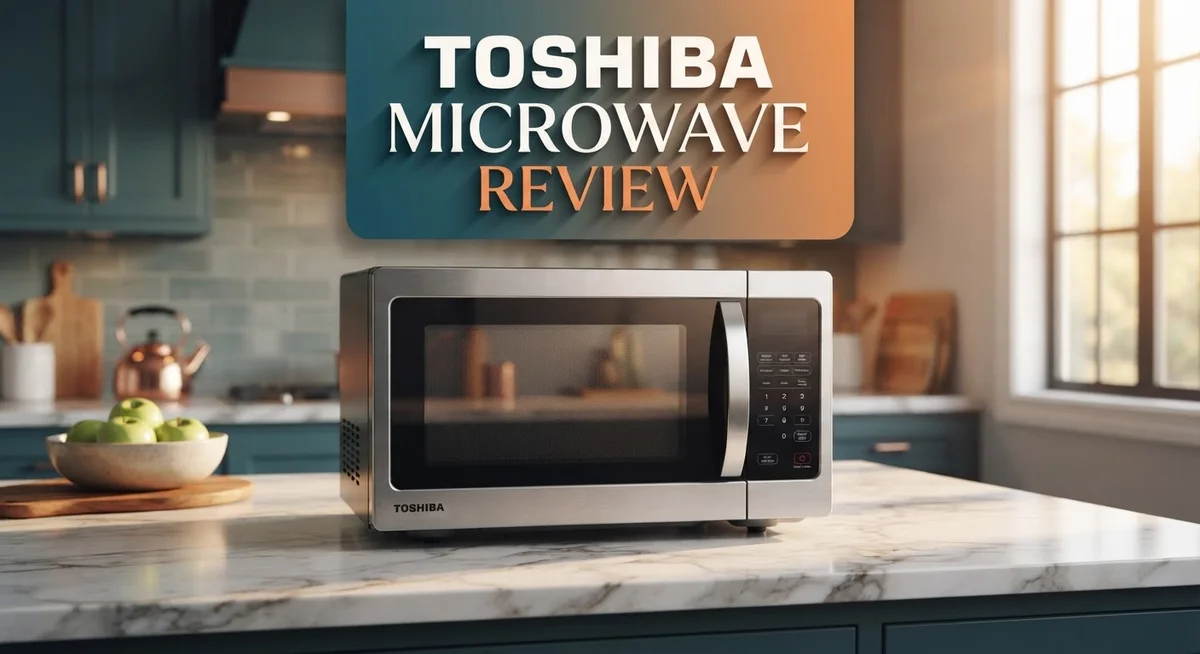
Toshiba Microwave Review: Performance & Reliability Analysis
Looking for a microwave that cooks food evenly every time? Toshiba microwaves promise smart features and simple use. But do they truly deliver?
This review digs into what makes Toshiba microwaves stand out. We look at their smart humidity sensor and inverter heating technology. These features help you get even cooking and defrosting.
You also get 10 power levels and handy auto menus. They make cooking simple for busy days.
But there is a catch. Some users report reliability issues with newer models. We break down the good and the bad.
By the end, you will know if a Toshiba microwave fits your kitchen needs. Let us explore the details together.
In a Nutshell
Here is what you need to know before buying a Toshiba microwave:
-
Smart humidity sensor: This feature checks food moisture. It adjusts cooking time on its own. Your food comes out just right.
-
Inverter heating technology: This gives steady power flow. It cooks food evenly. No more cold spots or overcooked edges.
-
Energy efficient design: The magnetron uses less power. Your electricity bill stays low. The ECO mode helps you save even more.
-
Reliability concerns exist: Some post 2016 models are made by Midea under license. Users report failures within 20 months of use.
-
Quality control varies: Not every unit performs the same way. Check reviews before you decide.
-
Strong competitors in the market: Brands like Panasonic, Sharp, and GE offer similar inverter models. The Breville Smart Oven is also worth a look.
Toshiba microwaves pack useful features into a compact frame. But you should weigh the reliability issues against the smart functions it offers. This helps you make the right choice for your kitchen.
Key Features and Cooking Technology
Toshiba microwaves deliver cooking performance through several standout technologies that set them apart in the kitchen.
The inverter heating system works differently than standard microwaves. Instead of turning power on and off, it sends a steady stream of energy to your food. This means delicate items like fish or vegetables cook evenly without hard, overcooked edges. You get consistent results every time you press start.
The smart humidity sensor automatically detects moisture levels inside your food. Once it senses the right amount of steam, it stops cooking. This prevents you from opening the microwave door to check progress. Your meal finishes at exactly the right moment, every single time.
Power flexibility matters too. You control cooking intensity with 10 different power levels. Need gentle warming? Set it low. Want fast defrosting? Crank it up. This range lets you handle everything from reheating leftovers to cooking frozen meats properly.
The ECO mode feature reduces energy consumption when you’re not using maximum power. Toshiba engineered their magnetrons to pull less electricity overall. Your utility bills drop while you still get reliable heating performance.
Toshiba includes pre programmed auto menus for common foods. Popcorn, pizza, beverages, and frozen dinners have dedicated buttons. You skip guessing times and power levels. Just press the button for what you’re cooking, and the microwave handles the rest.
The unit itself measures about 20.6 inches wide and fits standard kitchen countertops. Stainless steel and black stainless steel finishes blend with modern appliances. The compact 1.2 cubic foot capacity works well for singles, couples, and small families.
One important consideration: Post 2016 models manufactured by Midea under Toshiba license have shown reliability issues in some cases. Users report occasional failures within 20 months. Quality control can vary between individual units. Research current models carefully before purchasing. Check warranty coverage and read recent customer feedback about the specific model you want.

- Advanced User Interface: Equipped with a 2.4-inch colorful screen with an intuitive user interface that is highly...
- ChefFry Plus: Features a top fan and heating element that replicates an air fryer oven, allowing for healthier cooking...

Last update on 2026-10-24 / Affiliate links / Images from Amazon Product Advertising API
Design, Build Quality, and Capacity
Toshiba microwaves come in a standard 1.2 cubic foot capacity that fits most kitchen countertops. The dimensions measure approximately 20.6 inches wide, 16 inches deep, and 11.8 inches high. This size works well for families and individuals who want reliable everyday cooking without taking up excessive counter space.
The exterior uses stainless steel or black stainless steel construction. These finishes resist fingerprints and match modern kitchen designs easily. The build quality feels solid when you touch the unit, and the controls respond smoothly to your input.
Inside, Toshiba uses durable materials that can handle regular use. The interior cavity provides enough room for standard dinner plates and larger containers. You can fit a full-sized casserole dish without struggling to close the door.
The magnetron operates at 1000W in standard models, while manual versions run at 800W. This power level heats food quickly and evenly throughout your meal. The inverter heating system means you get consistent energy delivery instead of the on and off cycling found in older microwaves.
Toshiba designed these units with practical features in mind. The control panel sits at an easy-to-read height, and the buttons have clear labels. The turntable rotates smoothly to ensure food cooks from all angles. The door opens and closes with a satisfying click that tells you it sealed properly.
One consideration involves recent manufacturing changes. Post 2016 models come from Midea under Toshiba license, and some users report durability concerns with these units. Quality control appears inconsistent across production batches. Earlier Toshiba manufactured models showed better long term performance according to owner feedback.
The overall design balances functionality with simplicity. You get a compact footprint that doesn’t overwhelm your kitchen while maintaining enough power for daily cooking tasks. The stainless steel exterior keeps its appearance well with basic cleaning. The combination of solid construction and practical sizing makes Toshiba microwaves a straightforward choice for those seeking dependable performance without unnecessary complexity.
Cooking Performance and Heating Efficiency
Toshiba microwaves heat food with impressive consistency. The inverter heating technology delivers steady power throughout the cooking cycle. This means your food cooks evenly without developing hot spots or cold zones.
Standard models run at 1000W of power. This wattage heats most dishes quickly. Manual versions operate at 800W, which still performs well for everyday cooking tasks.
The smart humidity sensor monitors moisture levels inside your food automatically. When it detects enough steam, it reduces power to prevent overcooking. This feature works especially well for reheating leftovers and defrosting frozen items without creating cooked edges.
Toshiba includes 10 power levels for precise control. You can adjust settings based on what you’re cooking. Delicate foods like fish need lower settings, while dense items benefit from higher power.
The ECO mode feature cuts energy consumption when you don’t need maximum output. This saves electricity without sacrificing cooking quality. Many users appreciate this option for daily heating tasks.
Pre programmed auto menus handle common foods automatically. You simply select your item and the microwave does the rest. Options include popcorn, beverages, frozen meals, and fresh vegetables.
The 1.2 cubic foot capacity fits standard kitchen countertops. Inside dimensions allow you to heat larger platters and bowls. The stainless steel interior resists staining and stays clean longer.
Real world performance shows even defrosting results. Meat and seafood thaw uniformly without partially cooking. This matters because traditional microwaves often cook edges while centers stay frozen.
Heating efficiency depends on the magnetron quality. Toshiba uses energy efficient magnetrons that use less power than older models. Your electricity bills stay lower with regular use.
One important note: reliability varies between units. Post 2016 models manufactured by Midea under Toshiba license have shown concerns. Some users report issues within 20 months of ownership.
Overall, Toshiba microwaves deliver solid heating performance for typical kitchen needs. The combination of inverter technology and humidity sensing creates dependable results. These features make cooking and reheating faster and more convenient than basic microwave models.
Top 3 Alternatives
Panasonic Inverter Microwave

- Delicious Food, Smarter Cooking with Panasonic Microwaves: Panasonic patented Cyclonic Wave Inverter technology evenly...
- Easier Microwaving with Genius Sensor and Auto Cook: 15 preset smart cooking options including fresh and frozen entrees...
Last update on 2026-10-23 / Affiliate links / Images from Amazon Product Advertising API
Panasonic’s inverter technology uses consistent power delivery instead of turning on and off. This approach heats food evenly and prevents overcooking. You get better results with delicate items like fish and vegetables. The inverter system works smoothly across all power levels, so your meals cook more uniformly.
The unit features a spacious interior with smart sensor cooking. You simply select your food type, and the microwave adjusts time and power automatically. Cleanup is easy thanks to the stainless steel finish and removable turntable. Many users appreciate the quiet operation and reliable performance over years of daily use.
LG NeoChef Microwave

- SMART INVERTER: LG NeoChef microwave features Smart Inverter technology for precise cooking power control and even...
- POWERFUL PERFORMANCE: 1000 watts of cooking power with 10 adjustable power levels for versatile cooking options to suit...
Last update on 2026-10-23 / Affiliate links / Images from Amazon Product Advertising API
LG’s NeoChef line combines smart heating with a larger capacity. The inverter compressor technology maintains steady temperatures for precise cooking. You’ll notice faster defrosting and more even heating compared to standard models.
The control panel is straightforward with dedicated buttons for common tasks. The interior light stays on during cooking so you can monitor progress. The stainless steel exterior resists fingerprints and looks modern in any kitchen. LG includes multiple preset programs for popcorn, beverages, and frozen foods.
Samsung Smart Microwave

- SENSOR COOKING: Samsung Sensor Cook automatically adjusts cooking time for optimal results. From soup to frozen dinners...
- LARGE CAPACITY: With 1.9 cu. ft. of space, Samsung's largest capacity countertop microwave gives you plenty of room for...
Last update on 2026-10-24 / Affiliate links / Images from Amazon Product Advertising API
Samsung’s smart microwaves connect to your phone through WiFi. You can start cooking remotely or receive notifications when food is ready. The ceramic enamel interior resists scratches and stains better than traditional coatings.
The sensor reheat feature keeps leftovers moist without drying them out. The slim design fits well in compact kitchens. Samsung’s models often include voice control compatibility for hands-free operation. The eco mode reduces energy consumption during standby periods, helping lower your utility bills.
Ease of Use and Control Interface
Toshiba microwaves make cooking simple through their straightforward control panel design. The buttons respond quickly and feel responsive under your fingers. You won’t struggle to find what you need because the layout follows a logical flow.
The digital display shows your settings clearly. Numbers appear large enough to read from across the kitchen. You can see remaining time, power level, and current function without squinting.
Programming takes just a few taps. The keypad lets you enter cooking time with minimal steps. Most users complete basic tasks in seconds rather than minutes. The interface doesn’t overwhelm you with unnecessary buttons or confusing menus.
Auto menus simplify meal preparation. You select your food type, and the microwave adjusts time and power automatically. This feature works well for popcorn, beverages, and frozen items. You skip the guesswork entirely.
The 10 power levels give you precise control when you need it. Lower settings work great for gentle defrosting or reheating delicate foods. Higher settings handle quick cooking tasks efficiently. The flexibility means one appliance handles many different cooking styles.
One-touch operation buttons speed up common tasks. You press a single button for frequently used functions. This saves time during busy mornings or quick meal prep.
The control interface responds without lag. Button presses register immediately. You don’t experience delays between input and action.
The humidity sensor operates silently in the background. You don’t need to adjust settings manually for it to work. The microwave detects moisture and adapts heating automatically, which removes complexity from your cooking process.
ECO mode sits easily accessible on the panel. Switching to energy saving mode takes one button press. You maintain full control over when to activate it.
The overall design prioritizes user experience over unnecessary features. Toshiba avoided cramming too many options into the interface. This approach makes the microwave approachable for both beginners and experienced cooks. You spend less time learning the controls and more time actually cooking your meals.
Energy Efficiency and Operating Costs
Toshiba microwaves use energy efficient magnetrons that consume less power than many competing models. The standard 1000W models deliver strong heating performance without excessive energy draw. This means your microwave runs harder when needed but doesn’t waste electricity during lighter tasks.
The ECO mode feature stands out for reducing energy consumption significantly. When you activate ECO mode, the microwave operates at lower power levels for tasks that don’t require full intensity. Reheating coffee, warming bread, or defrosting small items all work well in this mode. You save electricity without sacrificing cooking results.
Inverter heating technology helps Toshiba microwaves maintain consistent temperatures. Traditional microwaves cycle power on and off, which wastes energy. Inverter systems deliver steady power output instead. This approach heats food more evenly while using less total energy.
The 10 power level settings let you match energy use to your cooking task. Cooking rice requires different power than reheating soup. By selecting the right level, you avoid overheating and wasting energy on unnecessary power. Precise control means efficient operation.
Operating costs stay low because Toshiba microwaves draw minimal standby power. The digital display uses LED technology that consumes very little electricity when idle. Modern standby modes prevent energy waste when your microwave sits unused.
Real world usage shows these units perform well across common cooking tasks. The smart humidity sensor reduces cooking time for some foods. Shorter cooking times mean lower total energy consumption. You finish meals faster and use less electricity overall.
For households cooking multiple times daily, energy efficiency adds up over months and years. Choosing a microwave with ECO mode and inverter heating creates measurable savings on your utility bills. Toshiba’s approach balances power output with smart energy management.
The combination of efficient magnetrons, ECO mode, and inverter heating makes Toshiba microwaves practical for budget conscious households. You get reliable cooking performance without excessive energy demands. This efficiency focus appeals to users who want dependable kitchen appliances that keep operating costs reasonable.
Pros and Cons
Pros
- Inverter heating delivers even cooking and defrosting without burnt or cold spots
- Low power consumption keeps operating costs minimal compared to standard magnetron models
- Straightforward control panel makes programming fast and simple for any user
- Smart humidity sensor automatically monitors moisture levels inside your food
- Multiple cooking functions handle everything from reheating to defrosting with consistent results
Cons
- Post 2016 models manufactured by Midea show reliability concerns with reported failures around 20 months of use
- Quality control issues have been noted by users in recent product batches
- Limited long term durability data available for newer production runs
Who Should Buy It
This Toshiba microwave works best for households that need reliable everyday cooking performance. If you prepare meals multiple times daily, the energy efficient design keeps your utility bills manageable over time.
Busy families appreciate the straightforward controls. You won’t waste time reading manuals or struggling with complex menus. The auto functions handle common tasks like reheating leftovers and defrosting meat without requiring guesswork.
Home cooks who value even results benefit most from the inverter heating technology. This feature eliminates cold spots and burnt edges that plague standard microwaves. Whether you’re warming coffee or cooking vegetables, food heats uniformly throughout.
The 10 power levels make this unit suitable for precision cooking tasks. You can simmer sauces gently or blast frozen items quickly. This flexibility appeals to people who cook a variety of dishes regularly.
Small kitchens and apartments gain significant value from the compact footprint. The 1.2 cubic foot capacity fits standard counter spaces without overwhelming your layout. You get adequate room for most cooking needs without excessive bulk.
People living in areas with older electrical systems appreciate the low power draw. This microwave won’t strain circuits or trigger breaker switches. It operates safely in homes where multiple appliances run simultaneously.
Skip this model if you prioritize long term durability as your main concern. Post 2016 models manufactured by Midea show documented reliability issues. Users report failures occurring around the 20 month mark. Quality control problems have appeared in recent batches consistently.
Those seeking a microwave that lasts 5 plus years should explore alternatives. Panasonic and Sharp models offer stronger track records for longevity. If your household needs a microwave that functions reliably for years, investigate other brands first.
This Toshiba works well for renters or temporary living situations. The compact size moves easily between homes. If you plan to stay in one place for several years, reliability concerns become more important than convenience.
Ultimately, choose this microwave when you need simple operation and energy efficiency for regular cooking tasks. Accept the reliability trade off if you’re comfortable replacing it sooner rather than later.
Final Verdict
The Toshiba microwave earns a spot on many kitchen counters for good reason. It handles daily cooking tasks with ease and keeps energy use in check.
Panasonic, Sharp, and GE offer similar inverter technology. Yet Toshiba stands out with its simple controls and smart sensor system.
If you want a microwave that just works, this one delivers. The features match what most households actually need.
Your decision should depend on how you use your microwave. Light to moderate users often report positive experiences over several years.
Heavy daily users face a different story. Some post 2016 units show wear faster than expected under constant use.
Checking your warranty terms before buying makes sense. This step protects you if problems arise early in ownership.
Consider your kitchen habits honestly. Do you microwave once a day or ten times a day? This answer guides your choice.
Families who reheat meals and defrost food occasionally will likely stay happy with this purchase. The unit handles these tasks well.
Commercial style use or heavy daily reliance calls for extra caution. You might want to research current manufacturing batches first.
The overall package still holds appeal. Smart cooking features and consistent results make this microwave worth considering.
Comparing it to alternatives like the Breville Smart Oven shows Toshiba holds its ground on core cooking performance. Each brand brings different strengths to the table.
Your final choice depends on priorities. Rank ease of use, cooking consistency, and expected lifespan based on your needs.
This microwave suits kitchens that need dependable everyday performance without complicated features. It fits well into most cooking routines.
For anyone weighing options, weigh the reported reliability concerns against the clear cooking benefits. Both sides deserve consideration before you decide.
In the end, this Toshiba model offers solid cooking performance with some catches for heavy users. Match it against your specific kitchen demands to see if it fits your life well.
Frequently Asked Questions
Does the Toshiba microwave cook food evenly?
Yes, it does. The inverter heating technology prevents hot spots and cold zones. Your food cooks consistently from edge to center. This means no burnt edges while the middle stays cold.
Traditional microwaves pulse power on and off. Toshiba’s inverter keeps power steady. Defrosting chicken or reheating leftovers produces uniform results every time.
What makes the humidity sensor useful?
The smart humidity sensor monitors moisture inside your food as it cooks. It adjusts heating automatically to match what you’re preparing. Steamed vegetables stay tender. Reheated pizza doesn’t dry out. You get better texture without guessing cooking times.
How many power levels does this model have?
The unit offers 10 power levels for cooking flexibility. You can set precise power for delicate tasks like melting chocolate or gentle reheating. Higher levels handle quick defrosting or boiling water fast.
Is this microwave energy efficient?
Yes. The inverter magnetron uses less electricity than standard models. Your monthly power bills stay lower with regular use. ECO mode provides an additional energy saving option when you need it.
What should I know about reliability before buying?
Post 2016 models manufactured by Midea have shown reliability concerns. Some users report failures around 20 months of use. Quality control issues exist in recent batches. Light to moderate users often have positive experiences. Heavy daily users should consider this carefully. Check your warranty terms before purchasing.

Sanji brings years of expertise in kitchen equipment evaluation, combining practical testing with in-depth research to deliver reliable recommendations. His mission is to simplify kitchen shopping decisions through comprehensive reviews and expert comparisons.


