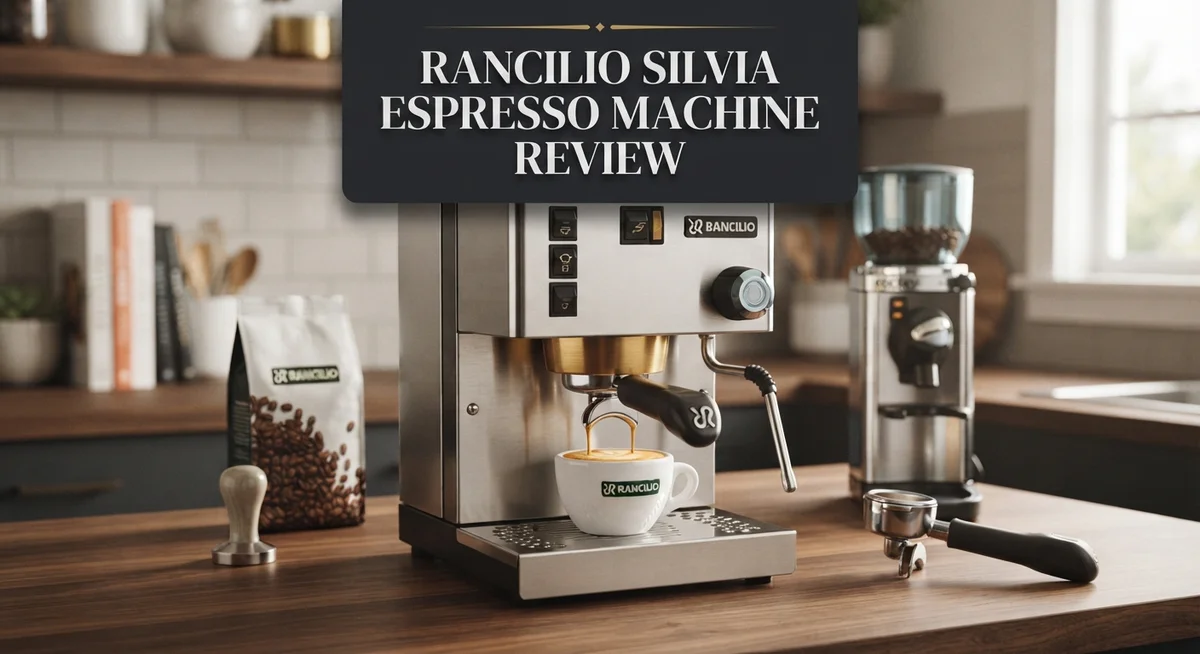
Rancilio Silvia Espresso Machine Review: Build Quality & Performance
Are you ready to make espresso like a true barista? The Rancilio Silvia espresso machine might be your answer. This machine has a strong reputation among home coffee lovers.
It comes with a commercial grade 58mm portafilter. This lets you brew espresso just like cafes do. The stainless steel frame gives it a solid and durable feel.
Silvia heats up fast. You get ready to brew in about four minutes. It also steams milk well, so your lattes and cappuccinos taste creamy and smooth.
Many users rate its espresso quality very high, close to 9.5 out of 10. That says a lot about its brewing power.
But it is not perfect. You may need to do some temperature surfing to get the best shot. Cleaning can also take extra effort.
Still, if you want café style coffee at home, this machine stands strong. In this review, we will look closely at its features, pros, and cons. You will learn if the Rancilio Silvia fits your coffee routine.
Let’s dive into what makes this machine a favorite for espresso fans everywhere.
In a Nutshell
The Rancilio Silvia packs serious espresso power into a compact frame. Here is a quick summary of what you get.
-
Sturdy build: This machine uses a stainless steel frame with a brass heat exchange boiler. It feels solid and lasts for years with proper care.
-
Fast performance: Silvia heats up in about 4 minutes. It also steams milk quickly, so you get smooth microfoam without a long wait.
-
Quiet operation: You can pull shots early morning without waking the house. The pump and boiler run smoothly with minimal noise.
-
Learning curve involved: Temperature surfing is needed for stable brewing. This step can feel messy and wastes some water.
-
Cleaning takes effort: Users rate ease of cleaning low, around 4 out of 10. Regular upkeep is necessary to keep it running well.
-
Single boiler limitation: You cannot steam and brew at the same time. This may slow you down if you make multiple drinks.
Overall, Silvia rewards patience with excellent espresso and steamed milk. It suits home baristas who enjoy the process, not just the result.
Build Quality and Materials
The Rancilio Silvia proves that serious espresso machines don’t need to be massive. Its stainless steel exterior feels solid and professional in any kitchen. The frame resists dents and scratches well, even with regular daily use.
Inside, you’ll find a brass heat exchange boiler. This material matters because brass distributes heat evenly and stays consistent during brewing. The boiler holds 0.3 liters, which is small but efficient for single to double shots. Brass also resists corrosion better than cheaper metals, so your machine lasts longer.
The 58mm commercial-grade portafilter connects to the group head with a satisfying click. This size matches what you find in real cafés, so your espresso pucks extract properly. The portafilter accepts 21-gram coffee filters, giving you flexibility with different roasts and grind sizes.
The water tank sits at 2 liters capacity. You won’t refill constantly, but you will need to top it up every few brewing sessions. The tank attaches and detaches easily, though cleaning inside requires patience.
Stainless steel dominates the exterior for good reason. It resists fingerprints reasonably well and won’t rust under normal conditions. The compact design means Silvia fits on crowded counters without taking over your space. Weight and dimensions stay manageable for most home setups.
The steam wand connects firmly to the boiler. It produces good milk texture and doesn’t wobble during use. The group head sits at the right height for most cup sizes, though very tall mugs might feel tight.
One thing to note: the single boiler design means metal components get very hot. The portafilter handle and group head require caution. You’ll develop habits around safe handling quickly.
Overall, Silvia’s build quality punches above its class. Brass internals and stainless steel housing create a machine that feels premium and lasts through years of regular use. The materials chosen serve function first, which shows in how well this machine performs day after day.

- Classic Espresso: The Silvia has been in production for over 20 years-- making it one of the most stable espresso...
- Single Boiler: The single 12-ounce brass boiler serves both brew and steam temperatures.
Last update on 2026-09-12 / Affiliate links / Images from Amazon Product Advertising API
Espresso Performance and Extraction
Espresso extraction from the Silvia reveals why this machine earns such high marks from serious coffee enthusiasts. The commercial-grade 58mm portafilter accepts up to 21g of ground coffee, giving you room to dial in your preferred dose. This size matches what you find in actual cafés, so your technique transfers directly to professional settings.
The brass heat exchange boiler works constantly to maintain temperature stability during extraction. Water flows through the brass passages and reaches your coffee grounds at the right heat level for optimal flavor extraction. This design choice separates the Silvia from cheaper machines that struggle with temperature consistency.
Here’s where patience becomes essential: temperature surfing is the technique you’ll master with this machine. You pull the portafilter out slightly to release pressure and cool the boiler, then reinsert it when ready to brew. This manual control sounds tedious, but it actually gives you precision that automatic machines cannot match.
The extraction itself produces shots with rich crema and balanced flavor. Users consistently report that the Silvia pulls espresso shots comparable to café quality, with that 9.5 out of 10 rating reflecting real-world results. The pressure feels responsive under your hands as you tamp and position the portafilter.
One limitation affects workflow: the single boiler means you cannot extract espresso and steam milk simultaneously. You must finish your shot, then switch the machine to steam mode. This requires planning your routine, but it also keeps the design simple and reliable.
Cleaning the group head and portafilter after each shot takes about two minutes. The removable shower screen comes out easily for rinsing. However, deep cleaning and descaling demand more effort due to the heat exchange design, which is why users rate cleaning difficulty at 4 out of 10.
The Silvia rewards technique with exceptional espresso quality. Your skill with tamping, distribution, and timing directly influences the final cup. This machine responds to your input rather than masking poor technique behind automation.
Heating System and Temperature Management
The Rancilio Silvia uses a brass heat exchange boiler that sits at just 0.3 liters. This compact design keeps the machine small while maintaining solid thermal performance.
Heat recovery happens fast with this system. The boiler recycles water constantly, so you get steam power ready within about 4 minutes of startup. This is genuinely quick for a single boiler machine.
Temperature surfing is the key technique you’ll use here. You pull the portafilter out, let water flow briefly, then reinsert it when the temperature feels right. This manual adjustment takes practice but gives you control over your shot quality.
The brass material matters more than you might think. Brass conducts heat evenly and resists corrosion better than aluminum. You’ll notice stable water temperature during extraction because of this choice.
One real limitation exists with this design: you cannot steam milk and pull espresso at the same time. The single boiler handles one task at a time. If you want milk drinks, you finish your espresso first, then switch to steaming.
Water management affects your workflow too. The 2 liter tank refills every few shots if you’re making multiple drinks. You’ll spend time at the sink between rounds of espresso.
The steam wand connects directly to the boiler, so it gets extremely hot. Be careful during operation and allow cool down time between switching from espresso to steam mode.
Temperature stability during extraction comes from the brass boiler’s mass and the heat exchanger design. Water flows through the group head consistently, pulling even shots with balanced flavor and rich crema.
Thermal recovery between shots happens reasonably fast. You can pull back to back espressos without waiting long between each one.
The heating element works quietly in the background. You won’t hear loud cycling sounds like some machines produce, which keeps your kitchen peaceful during morning brewing.
This system rewards patience and attention. You learn to read the machine’s behavior and adjust your technique accordingly. The result is espresso that serious coffee fans genuinely appreciate.
Top 3 Alternatives
Gaggia Classic Pro

- Solid Steel Housing, Made in Italy
- 9 Bar Espresso Extractions

Last update on 2026-09-12 / Affiliate links / Images from Amazon Product Advertising API
The Gaggia Classic Pro offers a solid entry point for espresso lovers. This machine heats water quickly and delivers consistent pressure for pulling shots. The commercial-style group head makes it easy to dial in your grind. Many users appreciate how compact it sits on countertops.
You’ll find the steam wand produces decent milk foam. The portafilter accepts both single and double baskets, giving you flexibility. Maintenance stays simple since you can access most parts easily. The brass boiler helps maintain stable temperatures during back-to-back shots.
Breville Barista Express

- MANUAL HAND-TEXTURED MICROFOAM: The powerful steam wand on this cappuccino maker and latte machine is designed to...
- PRECISE DOSE GRINDING: Integrated precision conical burr grinder on bean-to-cup espresso machine grinds on demand to...
Last update on 2026-09-12 / Affiliate links / Images from Amazon Product Advertising API
The Breville Barista Express stands out with its built-in conical burr grinder. You grind beans directly into the portafilter, which saves time and reduces mess. The machine heats up in just 3 seconds, making it perfect for busy mornings.
Pressure profiling lets you adjust extraction force during your shot. The steam wand froths milk smoothly for lattes and cappuccinos. The digital display shows water temperature and shot time clearly. Cleaning is straightforward with the automatic purge function that removes excess water.
DeLonghi Dedica Espresso
No products found.
The DeLonghi Dedica Espresso brings Italian design to your kitchen. Its compact footprint fits tight spaces without sacrificing functionality. The machine features a thermoblock heating system that reaches temperature quickly.
The rotary pump delivers stable 15-bar pressure for quality extractions. You get both a manual portafilter and an automatic cappuccino system. The water tank slides out easily for refilling. The removable drip tray catches spills and cleans in seconds. This model works well for people who want simplicity without complicated controls.
Steaming Capability and Milk Texture
The Rancilio Silvia’s steam wand delivers impressive results for milk frothing. The wand connects directly to the boiler, which means it accesses plenty of steam pressure for texture creation. You’ll notice the steam emerges with real force, making it easy to incorporate air into cold milk.
Milk texture quality depends on your technique. The Silvia gives you enough power to create microfoam, which is that velvety, integrated milk texture that professional baristas produce. Your skill level matters here more than the machine itself. Beginners can still achieve good results, but the learning curve exists.
One practical aspect: the single boiler design affects steaming workflow. You cannot pull espresso and steam milk at the same time. This means you’ll need to wait between shots if you want to make a cappuccino or latte. Most users heat the machine, pull their shot, then switch to steaming mode.
Temperature management during steaming works smoothly. The brass boiler maintains consistent heat, so your milk texture stays uniform throughout the frothing process. The wand stays hot enough to create proper steam pressure without fluctuation.
Cleaning the steam wand requires attention after each use. Milk residue builds up quickly, and this machine has a moderate difficulty rating for cleaning tasks. You’ll want to purge the wand immediately after steaming to prevent clogs. A damp cloth and regular maintenance keep it functioning properly.
The wand itself features a simple two hole design. This basic setup works well for most milk drinks. You won’t find fancy articulating designs here, but the straightforward approach proves reliable. Positioning the wand in your milk pitcher takes practice, but becomes second nature quickly.
For cappuccinos and lattes, the Silvia produces results that satisfy most home users. The steam power exists to create quality microfoam. Your success depends on learning proper technique and maintaining consistent practice. The machine provides the capability; your hands provide the skill.
Ease of Use and Learning Curve
The Rancilio Silvia sits at a moderate difficulty level for beginners. Most users report picking up the basics within their first week of use. The learning curve centers around one core skill: understanding how to operate the machine’s controls and manage water temperature.
The portafilter and group head feel familiar if you’ve used other espresso machines. The 58mm portafilter is commercial grade, which means it’s sturdy and reliable. Tamping your coffee grounds follows standard espresso technique. The real adjustment happens when you start pulling shots.
Temperature surfing becomes your main learning challenge. This technique requires you to monitor when the boiler reaches the right heat level for extraction. You’ll listen for the pump sounds and watch for water flow patterns. New users often waste some water during this phase as they figure out the timing. Most people develop a feel for it after 10 to 15 shots.
The steam wand presents another learning curve. The two hole design works well once you understand milk positioning and steam pressure. Getting silky microfoam takes practice, but the machine’s steam power helps you succeed faster than entry level competitors.
One advantage: the machine’s straightforward design means fewer confusing buttons or digital displays. You won’t battle complicated menus or settings. What you see is what you get. This simplicity actually speeds up the learning process for many users.
The water tank sits at 2 liters, which requires refilling during longer sessions. This becomes routine after a few days. The compact stainless steel frame fits most countertops easily, so setup feels intuitive.
Cleaning and maintenance present the steepest difficulty here. The group head requires careful attention after each shot. The steam wand needs immediate cleaning to prevent milk buildup. Many new owners find this aspect more challenging than actual espresso pulling. However, establishing a cleaning routine within your first week makes maintenance feel automatic.
Overall, the Silvia rewards patient learners. Your first week involves some frustration, but by week two, most users feel confident handling daily operations. The machine doesn’t hold your hand with automation, but it doesn’t punish you with excessive complexity either.
Pros and Cons
Pros
- Produces excellent espresso quality that rivals machines costing much more
- Built with premium stainless steel and brass components that last for years
- Heats up in about 4 minutes, so you get started quickly
- Operates very quietly compared to other home espresso machines
- Creates smooth, velvety milk texture for cappuccinos and lattes
Cons
- Requires temperature surfing technique, which wastes water and feels messy at first
- Cleaning the group head and portafilter takes real effort and attention after each shot
- Single boiler means you cannot pull espresso and steam milk at the same time
- Learning curve exists for beginners, especially with temperature management and steam wand control
Who Should Buy It
The Rancilio Silvia works best for home espresso enthusiasts who want genuine café quality without overwhelming complexity. If you value excellent espresso shots and don’t mind a short learning curve, this machine fits perfectly.
You should buy it if you enjoy hands-on coffee making. The Silvia rewards your attention and technique. You’ll pull better shots as you practice and learn the machine’s personality.
Home baristas who steam milk regularly will appreciate this machine. The steam wand produces smooth, velvety texture for cappuccinos and lattes. Your milk-based drinks will taste noticeably better than instant steam systems.
Quiet operation matters to some people. The Silvia runs silently, so early morning shots won’t wake your household. This appeals to apartment dwellers or anyone sensitive to noise.
The machine suits people who accept minor inconveniences for superior results. Temperature surfing requires a small learning period. You’ll adjust water temperature by running water through the group head before pulling shots. Yes, this wastes some water initially, but you’ll master it quickly.
Skip this machine if you want push-button simplicity. You need patience for temperature management and steam wand control. Digital displays and automatic features don’t exist here.
Avoid the Silvia if cleaning feels like a burden. The group head and portafilter demand real effort after each use. You cannot rush this step if you want consistent performance.
Single boiler limitations matter too. You cannot pull espresso and steam milk simultaneously. If you make many drinks back-to-back, you’ll wait between shots and steaming.
The Silvia attracts serious coffee lovers, not casual drinkers. You’ll spend time maintaining it properly. You’ll experiment with grind sizes and tamping pressure.
Consider the Gaggia Classic Pro if you want something simpler. Choose the Breville Bambino Plus if automatic features appeal to you. Pick the Rancilio Silvia Pro X if you want an upgraded version with better temperature control.
The standard Silvia remains ideal for committed home baristas who see espresso making as a rewarding hobby, not just a quick caffeine fix.
Final Verdict
The Rancilio Silvia earns its reputation as a serious home espresso machine. It rewards effort with results that few machines in its class can match.
This machine suits a specific type of buyer. If you love the process of coffee making as much as the result, Silvia fits your lifestyle.
Think of it like learning to drive a manual car. The learning curve exists, but mastery brings real satisfaction and control over every shot.
The build quality alone justifies serious consideration. Stainless steel and brass parts signal a machine built for the long haul, not a short term gadget.
Compare this to the Breville Bambino Plus, which automates much of the process. Silvia asks more from you but gives more control in return.
The Gaggia Classic Pro remains a close rival too. Both machines share a hands on philosophy, though Silvia edges ahead in build feel and steam quality.
For those wanting more automation, the Rancilio Silvia Pro X adds refinements. It smooths out some rough edges while keeping the core experience intact.
Your final decision should hinge on your relationship with coffee. Do you see it as a quick morning task or a rewarding ritual?
If it’s the latter, Silvia delivers an experience that feels personal and rewarding. Every shot becomes a small achievement rather than a routine chore.
This machine is not for everyone. Casual drinkers seeking convenience should look elsewhere.
But for coffee enthusiasts ready to learn, adapt, and refine their technique, Silvia stands out. It bridges the gap between home brewing and café level results.
In short, the Rancilio Silvia remains a benchmark in its category. It combines durability, performance, and hands on charm into one compact machine.
Choose it if you want to grow as a home barista. Skip it if you prefer machines that do the thinking for you.
Frequently Asked Questions
Does the Rancilio Silvia really make café quality espresso at home?
Yes, it does. Users consistently rate the espresso quality at 9.5 out of 10. The 58mm commercial grade portafilter and brass heat exchange boiler extract shots that rival what you get in coffee shops. The machine pulls rich, balanced espresso with proper crema and body.
The catch? You need skill to dial it in. Temperature surfing takes practice, but once you master it, the results speak for themselves.
How long does it take to heat up and start making coffee?
The Silvia reaches brewing temperature in about 4 minutes. This is faster than many competitors. You can have your first shot ready in less than 5 minutes from a cold start.
Steaming milk happens quickly too. The heat exchange boiler lets you steam immediately after pulling a shot without waiting for temperature changes.
What makes cleaning this machine so difficult?
The group head design requires careful disassembly after each use. You cannot simply rinse and go. The portafilter basket and shower screen need individual attention to remove coffee residue properly.
Most users rate cleaning difficulty at 4 out of 10. It is not impossible, but it demands consistency and patience. Budget 5 to 10 minutes for thorough cleaning after each session.
Can I pull espresso and steam milk at the same time?
No. The single boiler is the main limitation here. You must choose one or the other. Pull your shot first, then steam milk. This workflow feels natural once you adjust, but it prevents rapid drink production.
If you need simultaneous espresso and steam, the Rancilio Silvia Pro X or dual boiler machines handle this better.

Sanji brings years of expertise in kitchen equipment evaluation, combining practical testing with in-depth research to deliver reliable recommendations. His mission is to simplify kitchen shopping decisions through comprehensive reviews and expert comparisons.