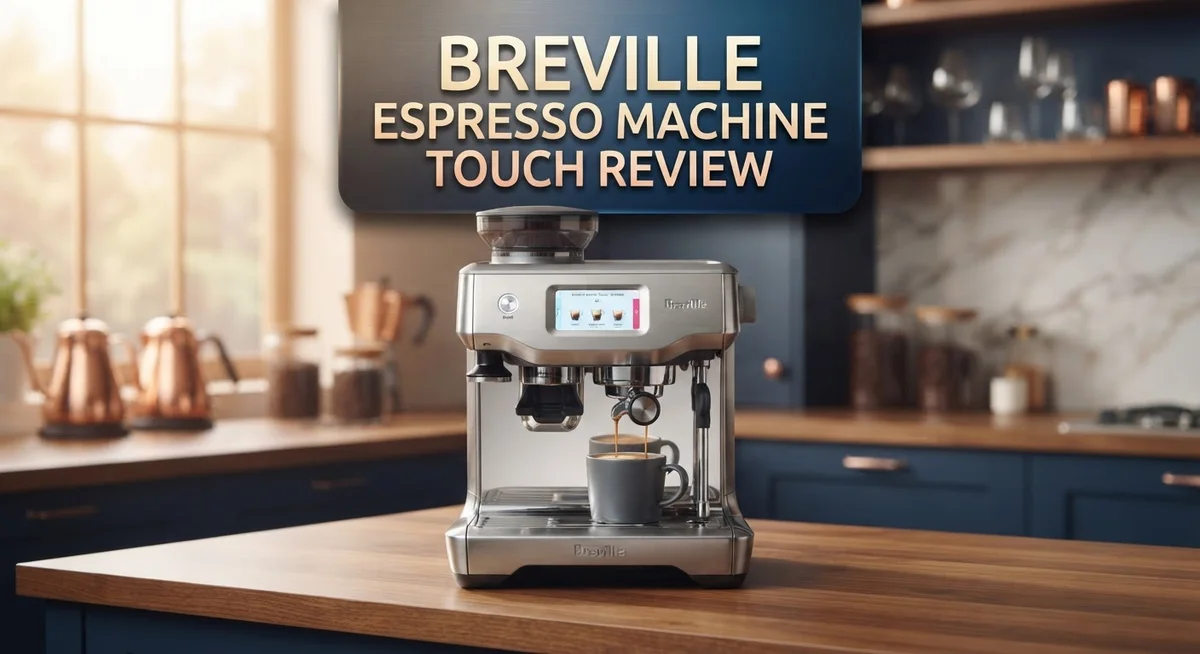
Breville Barista Touch Espresso Machine Review: Performance & Comparison
Want great espresso at home without the guesswork? The Breville Barista Touch espresso machine promises exactly that. It combines a built in grinder, a touchscreen display, and automatic milk texturing in one compact unit.
This machine targets beginners who want café style drinks fast. You get pre programmed menus that guide you through each step. No guesswork. No stress.
The touchscreen interface stands out right away. It walks you through drink selection, grind size, and milk texture with simple taps. Cleaning also gets easier thanks to on screen prompts.
We tested this machine to see if it lives up to the hype. Does the automatic frothing actually save time? Is the grinder good enough to skip a separate unit? We answer these questions and more.
This review covers everything you need to know. We look at build quality, ease of use, and daily performance. We also compare it to close competitors like the Breville Barista Pro.
By the end, you will know if this machine fits your morning routine. Let’s get into the details.
In a Nutshell
Here is the quick summary of what this machine offers and where it falls short.
-
Built-in grinder and touchscreen combine into one compact unit. You get bean to cup brewing without extra countertop clutter.
-
The single boiler design means you cannot pull espresso and steam milk at the same time. This slows down your workflow if you make multiple drinks.
-
Automatic milk texturing takes guesswork out of frothing. Beginners get consistent foam without practicing manual steaming.
-
The grinder quality feels average. It works fine for daily use but does not match dedicated standalone grinders.
-
Heat up time is fast, so you do not wait long for your first shot. This matters most on busy mornings.
-
The touchscreen looks modern, but some features feel like extras rather than necessities. You could get similar results from the Barista Pro without the screen.
-
Cleaning stays simple thanks to on screen prompts. Even new users can maintain the machine without confusion.
Overall, this machine suits beginners who want an easy path to espresso. Experienced users might miss more manual control.
Build Quality and Design
The Breville Barista Touch feels solid in your hands. The machine weighs 23 pounds and sits at 16 inches tall, so it commands respect on your counter without eating up too much space. The build uses a mix of stainless steel and plastic components that work well together.
The exterior design looks sleek and modern. Brushed metal surfaces catch light nicely, while the black accents give it a professional appearance. The overall shape is compact, measuring just 12.5 inches wide and 12 inches deep. This footprint fits most kitchen setups without overwhelming your workspace.
The touchscreen display takes center stage on the front panel. The screen is responsive and bright, making it easy to read from different angles. The interface feels intuitive even if you have never used an espresso machine before. You simply tap options and the machine does the work for you.
Internal construction reveals some practical choices. The single boiler sits at the heart of the machine and heats water efficiently. The water tank holds 68 fluid ounces, so you can make multiple drinks before refilling. The bean hopper stores 8 ounces of beans, which gives you flexibility with different roasts.
The grinder sits integrated into the body. This keeps everything in one unit, but the grinding mechanism feels average compared to standalone grinders. The burrs do the job, but they lack the precision of dedicated equipment. You get consistent results for most home brewing, though espresso enthusiasts might notice limitations.
Access to internal parts is straightforward. The portafilter sits in an easy to reach position, and the drip tray slides out without hassle. Steam wand placement works well for milk pitchers of various sizes. The overall construction quality feels durable and reliable, built to handle daily use without complaints.
The machine balances form and function effectively. It does not feel cheap, yet it avoids unnecessary complexity in its physical design. Everything serves a purpose, from the button placement to the water tank location. This practical approach to design makes the Breville Barista Touch appealing for users who want substance over flash.

- AUTOMATIC MICROFOAM MILK TEXTURING: Auto steam wand allows you to adjust milk temperature and texture, delivering...
- PRECISE DOSE GRINDING: With a single touch, the integrated precision conical burr grinder on bean-to-cup espresso...

Last update on 2026-10-23 / Affiliate links / Images from Amazon Product Advertising API
Key Features and Touchscreen Interface
The touchscreen interface sits front and center on this machine. You interact with it to control almost every function. The display shows clear menus and options that make sense at a glance.
Pre programmed buttons handle common drinks. You can brew an espresso with one tap. Cappuccino and flat white settings appear ready to use. The machine remembers your preferences after the first setup. This convenience appeals to beginners who feel overwhelmed by manual machines.
The screen guides you through each step of the process. It tells you when to insert the portafilter. It alerts you when your drink is ready. On screen prompts walk you through cleaning routines too. You do not need to guess what comes next.
Automatic milk texturing pairs with the touchscreen system. You select your milk drink on the display. The machine froths and steams milk to the right temperature. The guesswork disappears, and consistency improves. Most beginners struggle with steam wand technique. This feature removes that barrier entirely.
The grinder integrates into the machine body. You set your grind size through the touchscreen menu. Dose control happens automatically based on your selection. The system adjusts grind settings for different bean types. This removes one major variable from the equation.
However, the touchscreen adds complexity in some areas. Manual machines force you to learn espresso fundamentals. This machine lets you skip those lessons. Long term, understanding pressure and temperature matters for quality shots. The touchscreen can mask these underlying principles.
The display itself feels responsive and quick. Menu navigation takes just seconds. You do not experience lag or delays. The interface uses simple icons and text. No confusing symbols or unclear buttons appear.
The real value of the touchscreen lies in consistency. Every shot pulls at the same pressure. Every milk drink froths to matching texture. Repeatability matters for home baristas. You get reliable results morning after morning. This reliability builds confidence as you learn espresso basics.
Espresso Performance and Milk Texturing
The espresso shot quality depends on several factors working together. The machine pulls shots at consistent pressure, which means your morning cappuccino tastes the same as your afternoon latte. You get reliable results without fussing over pressure gauges or manual adjustments.
The automatic milk texturing feature deserves special attention here. This system froths milk to the right temperature and texture without you holding the steam wand. Beginners find this incredibly useful because milk frothing trips up most new espresso users. The machine handles the hard part while you focus on pouring.
However, the single boiler design creates a real limitation. You cannot pull an espresso shot while steaming milk at the same time. You finish one task, wait for the boiler to switch modes, then start the next task. This workflow feels slower than machines with dual boilers.
The grinder quality sits at average for this price point. It produces decent grounds, but you will notice a difference if you compare it to standalone grinders. Some users upgrade to a separate burr grinder later on. The built in grinder works fine for beginners learning the basics.
Heat up time stays fast, so you do not waste minutes waiting to start. The machine reaches brewing temperature quickly and maintains it throughout your session. This speed matters when you want espresso before work.
The touchscreen guides you through milk texturing step by step. You select your drink type, the machine suggests settings, and you confirm. This removes guesswork from the process. However, some users find the touchscreen more flashy than functional. Manual steam wands offer more control for experienced baristas.
Milk texture consistency improves noticeably with this machine. The automatic system creates microfoam that pours smoothly into espresso. Your lattes look and taste professional without years of practice. This alone makes the machine appealing to home users who want café quality drinks.
The combination of reliable shots and automatic milk texturing creates a complete system for making espresso drinks at home. You get good results without mastering difficult techniques.
Top 3 Alternatives
Gaggia Classic Pro

- Solid Steel Housing, Made in Italy
- 9 Bar Espresso Extractions
Last update on 2026-10-25 / Affiliate links / Images from Amazon Product Advertising API
The Gaggia Classic Pro gives you manual control over your espresso shots. You pull the lever down to build pressure and extract your coffee. This machine heats water fast and produces genuine crema on your shots.
The portafilter is solid brass. You get a real steam wand for milk frothing. Many users appreciate the simplicity and reliability of this model. It works well for people who enjoy hands-on brewing.
Roka Espresso Machine

- [20 Bar Professional Extraction] Equipped with a 20 Bar pump and built-in pressure gauge, this semi automatic espresso...
- [Premium Stainless Steel Construction] Crafted with a stainless steel housing, this compact espresso machine is designed...
Last update on 2026-08-04 / Affiliate links / Images from Amazon Product Advertising API
The Roka Espresso Machine focuses on consistent extraction and ease of use. It features a thermoblock heating system that reaches temperature quickly. The machine delivers uniform pressure during each shot.
This model includes a built-in grinder on some versions, which saves counter space. The steam wand froths milk smoothly. Users report that Roka machines produce rich crema and balanced flavor profiles. It appeals to both beginners and experienced coffee lovers.
DeLonghi Dedica
No products found.
The DeLonghi Dedica combines compact design with automatic features. This machine occupies minimal counter space while delivering full espresso functionality. It includes an automatic milk frother for cappuccinos and lattes.
The Dedica heats up in seconds and maintains stable temperature throughout brewing. You get programmable shot volumes for consistency. The removable water tank makes refilling simple. Many owners praise its sleek appearance and reliable performance. It suits people who want convenience without sacrificing quality.
Ease of Use and Learning Curve
The Breville Barista Touch removes many barriers that stop beginners from making espresso. You start by filling the water tank and bean hopper, then the machine guides you through everything else. The touchscreen walks you step by step through each drink type, so you never feel lost.
The learning curve flattens quickly because the machine makes decisions for you. Pre programmed buttons handle shots and milk texturing automatically. You press a button, and the espresso pulls at the correct pressure every time. This consistency means your second cup tastes as good as your tenth cup, which builds confidence fast.
Manual tamping still falls on you, but the machine compensates with its automatic grinder. You adjust grind size on the screen, and the grinder delivers beans at the exact setting you need. This removes one major source of confusion that stops new users cold.
Milk texturing represents the steepest part of the learning curve for most beginners. The Breville Barista Touch handles this automatically, which changes everything. You insert the milk pitcher, select your drink type, and the machine froths the milk to the right texture. No wand positioning. No steam technique required. This feature alone saves weeks of practice time.
The on screen prompts guide cleaning and maintenance too. You get reminders when to backflush the group head and when to soak the portafilter. These simple instructions prevent the neglect that ruins machines over time.
One limitation exists with the single boiler design. You cannot pull an espresso shot while steaming milk simultaneously. This means you wait between steps rather than working smoothly. Beginners rarely notice this constraint since they work slowly anyway, but it matters if you plan to make multiple drinks in a row.
The touchscreen itself feels responsive and intuitive. Menu navigation takes seconds, not minutes. Icons clearly show what each button does. The display brightness adjusts automatically, so you read it easily in any kitchen lighting.
Overall, this machine compresses the typical six month learning curve into two to three weeks. You make acceptable espresso drinks from day one and excellent drinks within a month.
Maintenance and Cleaning
Keeping your Breville Barista Touch clean matters more than most people think. A well maintained machine pulls better shots and lasts longer. The good news? This machine makes cleaning straightforward.
The touchscreen display guides you through every cleaning step. You do not need to hunt through manuals or watch videos. The on screen prompts tell you exactly what to do and when to do it. This removes the guesswork from maintenance routines.
The group head comes apart easily for daily cleaning. You can rinse it under water without special tools. The shower screen detaches in seconds. Soak these parts in hot water to remove dried espresso oils and residue. This takes about five minutes total.
The milk frother deserves extra attention. Milk buildup inside the steam wand causes problems fast. Clean it immediately after texturing milk. Run steam through the wand for a few seconds, then wipe the outside with a damp cloth. The machine alerts you when deep cleaning is needed.
The water tank pulls out without effort. Empty it, rinse it, and refill with fresh water regularly. Stale water affects shot quality and machine performance. Replace the water every few days, even if you do not use the full tank.
Backflushing the group head keeps internal passages clear. Insert a blind basket (no holes) into the portafilter. Lock it in place. Press the brew button for two seconds, then stop. Repeat this cycle five times. Water sprays backward through the group head, flushing out trapped grounds and oils.
Descaling happens every few months depending on your water hardness. Use Breville’s descaling solution or a quality espresso machine descaler. The touchscreen reminds you when descaling is due. Follow the on screen instructions. The process takes about 15 minutes.
The drip tray slides out for emptying. Check it daily to prevent overflow. A full tray can cause water to back up into the machine.
This machine simplifies maintenance compared to manual espresso machines. Most cleaning tasks take under ten minutes. The touchscreen guidance means you stay on track and never miss important steps.
Pros and Cons
Pros
- Touchscreen interface walks you through every step, cutting your learning curve from months down to weeks
- Automatic milk texturing produces consistent microfoam without manual practice
- Built in grinder saves counter space and simplifies your setup
- Fast heat up means you start making drinks quickly without waiting
- On screen cleaning guides make maintenance straightforward and simple
Cons
- Single boiler limits you to making espresso or steaming milk, not both at the same time
- Grinder quality sits at average for this price range and may need upgrading later
- Manual tamping still falls on you despite all the automation elsewhere
- Touchscreen adds convenience but limited practical benefit over physical buttons for core functions
Who Should Buy It
The Breville Barista Touch works best for people who want espresso without years of practice. You fit this profile if you enjoy coffee but lack experience with manual machines. The touchscreen and automatic grinder remove most guesswork from the process.
Home baristas who value consistency will appreciate this machine. You get the same milk texture and espresso quality every time you use it. This matters if you make drinks daily and want reliability. The on screen prompts also mean you won’t forget cleaning steps or maintenance routines.
Small kitchen owners benefit from the compact footprint. The machine measures just 12.5 inches wide and 12 inches deep, so it fits easily on most countertops. You don’t need a separate grinder either, which saves valuable counter space.
This machine suits people who want to upgrade from basic coffee makers. If you currently use a drip machine or pod system, the Barista Touch opens new possibilities. You’ll make lattes, cappuccinos, and flat whites that rival café quality.
Coffee enthusiasts who prefer convenience over total control also love this machine. You maintain some hands on involvement with manual tamping, but automation handles the difficult parts. This balance appeals to people who want skill development without overwhelming complexity.
Parents and busy professionals find value here too. The fast heat up means you prepare drinks in minutes, not hours. Morning routines stay simple even when you’re making espresso based beverages for multiple people.
However, skip this machine if you want maximum control. Experienced baristas who enjoy dialing in grinders and perfecting tamping technique may find the automation limiting. Similarly, if you frequently make espresso and steam milk simultaneously, the single boiler design frustrates you.
People planning to upgrade components constantly might look elsewhere. The grinder performs adequately but sits at average quality for this price range. You may want a dedicated burr grinder later, which means investing more money over time.
The Barista Touch shines for beginners and intermediate users seeking consistency. It transforms espresso making from intimidating to approachable. Most people start making café quality drinks within weeks, not months.
Final Verdict
The Breville Barista Touch earns its place as a smart pick for anyone starting their espresso journey. It blends automation with real control, giving you room to grow.
This machine doesn’t try to be everything. It focuses on making espresso approachable without overwhelming you with buttons or dials.
Compared to the Barista Pro, you get a screen instead of physical controls. That extra convenience matters if you like visual guidance over muscle memory.
If you already own a separate grinder, machines like the Gaggia Classic Pro or Rancilio Silvia might suit you better. They reward hands on skill more than screen based guidance.
The Barista Touch fits a different mindset. It works well for people who want good coffee without turning it into a hobby project.
Build quality feels solid for daily use. The compact frame handles small kitchens and busy mornings without hassle.
Durability over time depends on how well you maintain the machine. Regular cleaning keeps performance steady for years.
Support and parts availability also stand out. Breville has a strong reputation for customer service and replacement parts.
Think of this machine as a stepping stone. It teaches you espresso basics while still producing café quality drinks at home.
If you crave full manual control, this may feel limiting eventually. But for most home users, that limitation rarely becomes a problem.
Overall, the Barista Touch strikes a fair balance. It rewards beginners with confidence and rewards intermediate users with consistency.
Anyone gifting an espresso machine to a new coffee lover should consider this option strongly. It removes guesswork from the process.
In the end, this machine proves that automation and quality can coexist. You get real espresso results without years of trial and error.
Frequently Asked Questions
Does the touchscreen actually make espresso better?
The touchscreen saves you time and reduces guesswork. It displays pre-programmed shots, milk texture settings, and cleaning reminders. However, it doesn’t improve shot quality by itself. Your espresso tastes better because of the automatic milk frothing and consistent temperature control, not the screen. Think of the screen as a helpful guide rather than a game changer.
Can I use pre-ground coffee instead of beans?
Yes, you can bypass the grinder entirely. Simply pour pre-ground coffee into the portafilter manually. This works well if you buy fresh grounds from a local roaster. Many users do this to avoid the average grinder quality that comes built in. You’ll get better results with quality pre-ground coffee than with the machine’s grinder.
How long does it take to heat up and make a drink?
The machine heats up in about 3 seconds after you turn it on. A full espresso shot with automatic milk texturing takes roughly 2 to 3 minutes total. This speed makes morning coffee routines much simpler. You won’t sit around waiting like you would with older espresso machines.
What’s the real difference between this and the Barista Pro?
The Barista Pro has physical buttons instead of a touchscreen. It also requires manual milk frothing. Both machines share the same built in grinder, heat up speed, and basic espresso quality. Choose the Touch if you want automatic milk texturing. Pick the Pro if you prefer traditional controls and don’t mind frothing by hand.
Is cleaning this machine difficult?
No. The on screen guides walk you through each step. Removable parts rinse easily under water. The automatic milk texturing system self cleans with a button press. Most users spend 5 to 10 minutes on daily cleaning. Weekly descaling takes about 15 minutes and follows simple instructions.

Sanji brings years of expertise in kitchen equipment evaluation, combining practical testing with in-depth research to deliver reliable recommendations. His mission is to simplify kitchen shopping decisions through comprehensive reviews and expert comparisons.